Introduction
Living with a stoma can be a life-altering experience, not simply for the specific but additionally for their family members and caregivers. Comprehending the nuances of stoma care is vital to offering quality support. In this detailed overview, we will certainly look into the fundamentals of stoma care Browse this site and check out how empathy and experience can substantially boost the lifestyle for patients. This short article intends to encourage caregivers and medical care specialists with knowledge and practical insights needed for efficient ostomy care
What is a Stoma?
A stoma is an operatively created opening up that attaches the bowel or urinary system to the abdominal wall surface. It works as an alternative pathway for waste elimination when normal routes are jeopardized as a result of various medical conditions like cancer cells, inflammatory digestive tract disease, or stressful injuries.
Types of Stomas
Colostomy: Produced from the colon. Ileostomy: Created from the ileum. Urostomy: Draws away urine from kidneys.Each type has its certain care needs, that makes correct training vital for those involved in individual care.
What is an Ostomy?
An ostomy refers to both the procedure to develop a stoma and the resulting stoma itself. Ostomies can be short-term or irreversible depending upon the underlying health and wellness concern being treated.
What is an Ostomy Stoma?
The term 'ostomy stoma' particularly relates to the opening produced throughout an ostomy procedure. It's vital to recognize that a stoma might appear different than what one may expect-- its dimension, shape, and shade can vary extensively based upon specific circumstances.
What is Ostomy Care?
Ostomy care includes all tasks associated with taking care of a stoma efficiently while guaranteeing comfort and health for patients. This consists of changing pouches, cleaning up around the stoma, checking skin integrity, and emotional support.

Stoma Treatment Basics: Sustaining Patients with Compassion and Expertise
Effective stoma care involves both technical expertise and psychological knowledge. Thoughtful assistance can ease stress and anxiety and build count on in between individuals and caregivers.
Training Programs Available for Caregivers
Stoma Treatment Training for Carers
Caregivers play an important duty in managing day-to-day ostomy care routines. Specialized training programs outfit them with necessary abilities such as:
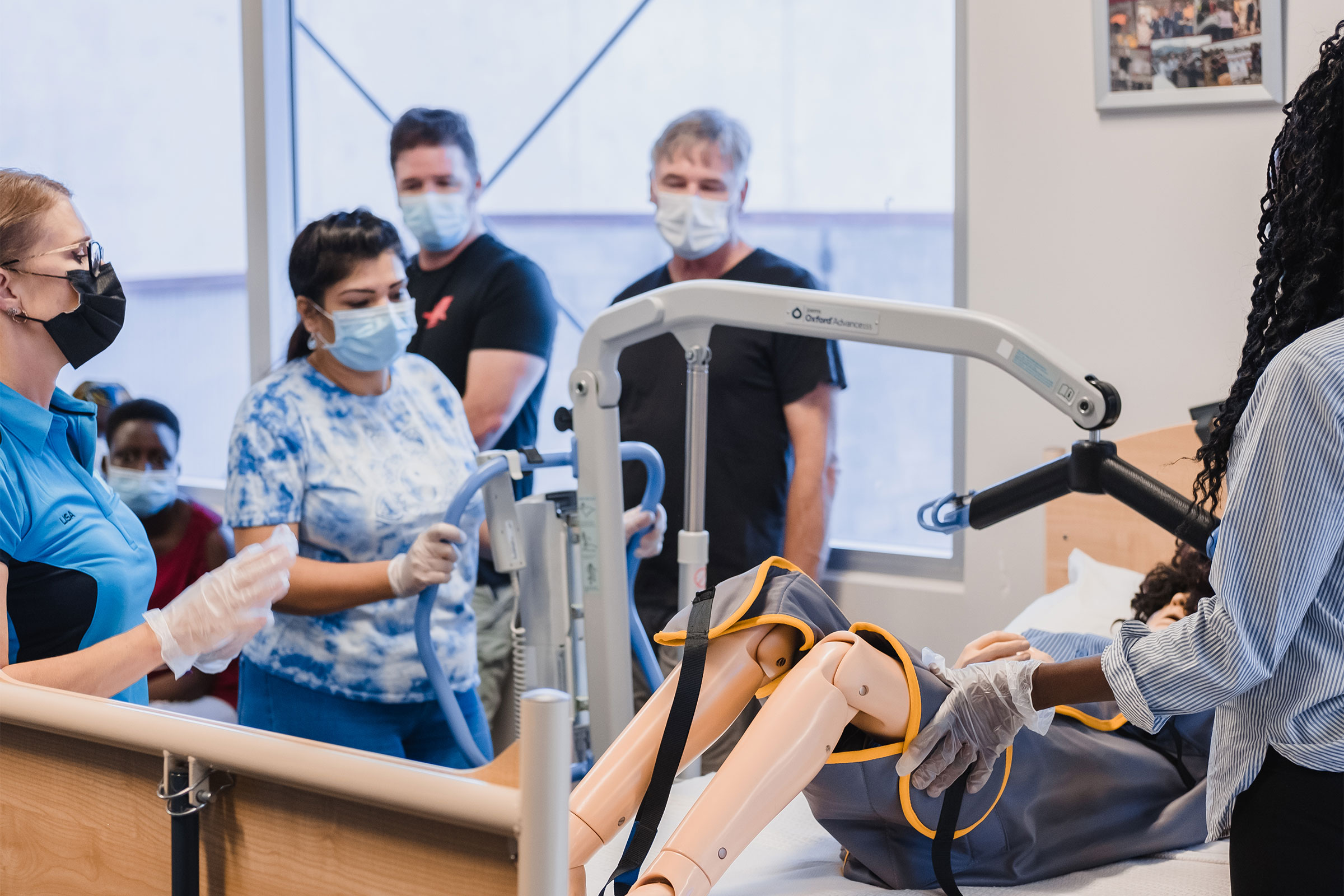
- Changing ostomy bags Identifying skin issues Dietary recommendations
Complex Digestive tract Care Training
For people needing even more specific interest, programs like complex bowel care training concentrate on intricate elements of digestive tract management while taking into consideration comorbid conditions.
NDIS Complex Bowel Care Training
In Australia, NDIS (National Disability Insurance Scheme) supplies customized training modules aimed at enhancing skills connected to complicated digestive tract management.
Bowel Treatment Administration: Key Considerations
Effective bowel care management requires understanding different factors influencing digestive health and wellness:
1. Diet
Maintaining a balanced diet plays an important duty in managing digestive tract function post-ostomy surgery.
2. Hydration
Adequate fluid intake aids preserve healthy and balanced digestion.
3. Medicine Management
Certain medicines may influence bowel patterns-- regular appointments with medical care professionals are advisable.
Caring for an Ostomy: Practical Tips
Following basic yet effective methods can dramatically enhance patient convenience:
Regular Pouch Adjustments: Changing bags every 3-5 days protects against leakage. Skin Protection: Usage barrier lotions or sprays to protect skin. Monitoring Output: Track feces consistency; get in touch with healthcare experts if irregularities arise.
Understanding Complex Bowel Care Courses
Complex bowel care courses offer in-depth expertise concerning taking care of difficulties associated with ostomies:
- How to deal with looseness of the bowels or constipation Understanding dietary triggers Learning about digestive tract routines particular to specific needs
Ostomy Materials: What You Need?
Having the right supplies available simplifies day-to-day monitoring:
Essential Materials Include:
|Item|Purpose|| --------------------|-----------------------------------|| Ostomy Bags|Gathers waste|| Skin Barriers|Protects surrounding skin|| Deodorising Products|Lessens smell|| Cleaning Solutions|Maintains hygiene|
Emotional Assistance in Stoma Care Basics: Sustaining Clients with Compassion and Expertise
Caring for a person with an ostomy typically requires resolving emotional obstacles too:
Listening Actively
Listening proactively not only verifies sensations yet promotes an encouraging setting where clients feel comfy reviewing their concerns.
Encouraging Open Communication
Encouraging open communication help in building depend on in between patient and caregiver, making it much easier for them to express fears or pains connected to their condition.
FAQs Concerning Stoma Care Essentials
1. What type of training do caregivers require for stoma care?
Caregivers need to go through specialized training such as stoma care training programs that cover functional skills required in daily administration tasks.
2. How frequently need to I alter my ostomy pouch?
Typically, an ostomy pouch must be altered every 3-- 5 days or faster if there are leakages or irritability present.
3. Can I shower with my ostomy pouch?
Yes! A lot of contemporary ostomy bags are water-resistant; nonetheless, it's best to adhere to specific standards offered by your medical care expert regarding showering practices.
4. What ought to I do if my skin around the stoma comes to be irritated?
Consult your healthcare provider promptly if you see any kind of signs of irritability; making use of obstacle lotions may aid reduce discomfort till you get specialist advice.
5. Are there dietary restrictions after getting an ostomy?
While most foods are generally allowable after recuperation, it's recommended to avoid gas-producing foods at first up until you identify what works best for your gastrointestinal system.
6. Where can I locate sources on complicated digestive tract care?
Many organizations offer resources on the internet pertaining to complicated digestive tract management courses; consulting doctor might likewise lead you towards additional choices available with NDIS programs or local health and wellness services.
Conclusion
Navigating life with a stoma requires not just technical knowledge however additionally compassion and understanding from caregivers and healthcare professionals alike. By engaging in comprehensive training such as NDIS complex bowel care training or going to dedicated workshops like complex bowel care courses, caretakers become equipped with essential abilities required for effective person assistance. As we have actually explored throughout this short article titled "Stoma Care Essentials: Sustaining Clients with Empathy and Proficiency," fostering empathy along with competence sets a foundation whereupon quality ostomy care thrives!